 0
0
 0
0
Let’s be honest, the supplement aisle is a jungle. I remember the first time I walked into a health food store, determined to “get healthy.” I was met with a wall of brightly colored bottles, all screaming promises of more energy, better sleep, and a longer life. It was overwhelming. I ended up grabbing a generic multivitamin and a bottle of something that looked vaguely important, spending over a hundred dollars with absolutely no real plan. Sound familiar? I’ve been there, and it’s a frustrating and expensive way to approach your health. That’s why I’ve created this ultimate supplement guide for 2026. After years of research, self-experimentation, and consulting with experts, I’ve distilled everything I’ve learned into one comprehensive resource. This isn’t about hype or quick fixes. It’s about understanding what your body actually needs and how to choose high-quality, effective supplements to fill the gaps. Forget the confusion; this is your clear, no-nonsense roadmap to navigating the world of vitamins, minerals, and more. For more information, see our guide on How to Identify Fake or Low-Quality Supplements.
Table of Contents
- What Are Supplements, Anyway? A No-Nonsense Definition
- The “Why”: Do You Actually Need Supplements?
- The Ultimate Supplement Guide to Vitamins: Your A-Z Breakdown
- The Ultimate Supplement Guide to Minerals: Beyond a Basic Multivitamin
- Protein, Amino Acids, and BCAAs: Your Muscle-Building Toolkit
- Specialty Supplements: Nootropics, Adaptogens, and Beyond
- Quality Matters: How to Choose Supplements That Actually Work
- Supplement Comparison: Decoding the Labels
- Safety First: Potential Side Effects and Interactions
- Frequently Asked Questions (FAQ)
What Are Supplements, Anyway? A No-Nonsense Definition
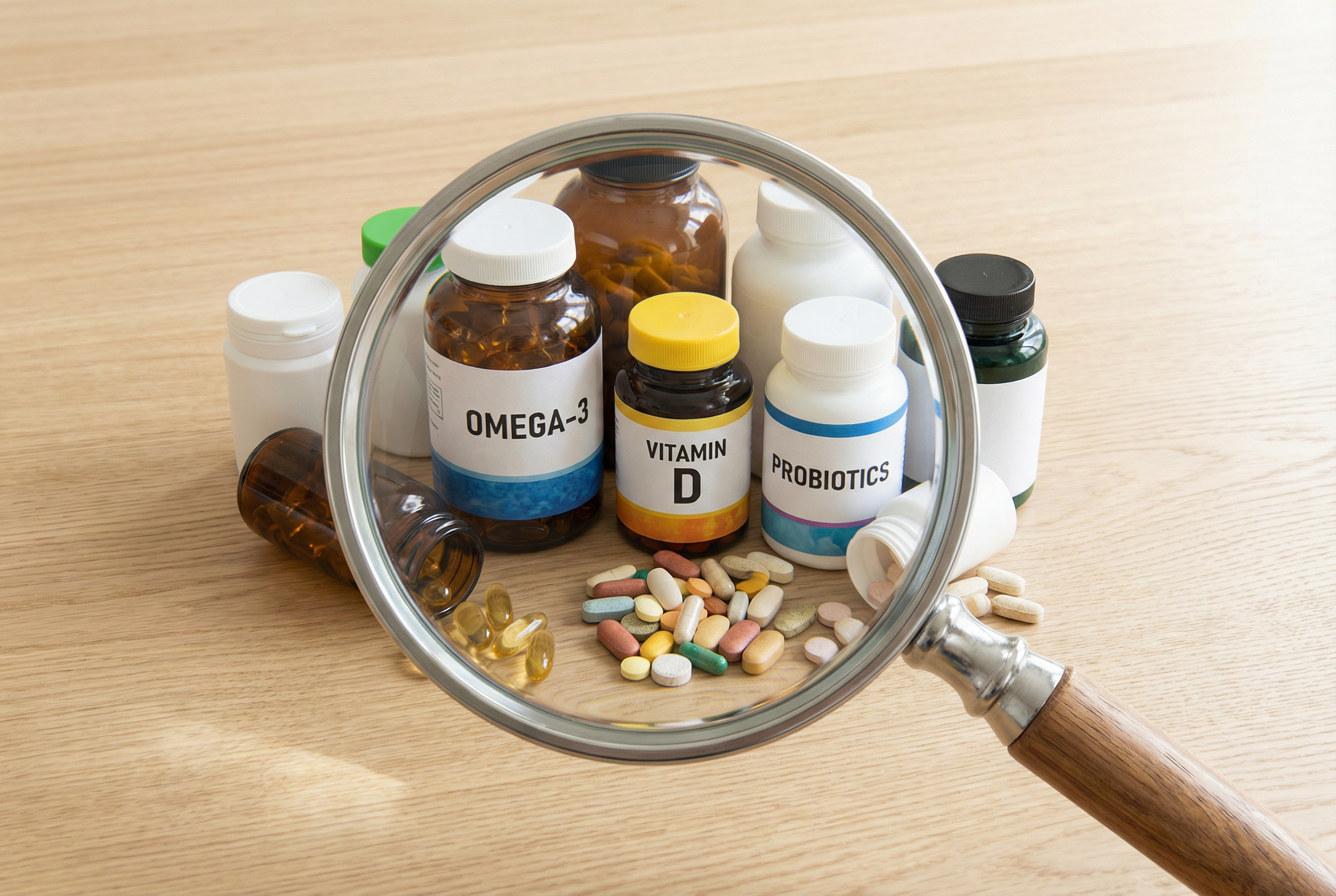
Before we dive deep, let’s get on the same page. The term “supplement” gets thrown around a lot, and frankly, it can be confusing. At its core, a dietary supplement is a product you take to, well, *supplement* your diet. Think of it as a booster, not a replacement. These products can contain vitamins, minerals, herbs, amino acids, enzymes, and many other substances. They come in all shapes and sizes: pills, capsules, powders, liquids, and even gummies (though I have some thoughts on those later). The whole point is to provide nutrients that might be missing or not consumed in sufficient quantities in your everyday meals. It’s a way to bridge the nutritional gaps that are incredibly common in our modern food landscape. I’ve found that thinking of them as targeted tools, rather than magic bullets, is the most effective mindset. This simple shift in perspective is a cornerstone of any effective supplement guide.
The “Why”: Do You Actually Need Supplements?
This is the million-dollar question, isn’t it? The short answer is: probably. The long answer is a bit more nuanced. Look, in a perfect world, we’d get every single nutrient we need from a balanced, whole-foods diet. But who lives in a perfect world? I certainly don’t. Soil depletion means our fruits and vegetables aren’t as nutrient-dense as they were a few generations ago. Our busy, high-stress lifestyles can increase our demand for certain nutrients, like B vitamins and magnesium. And let’s be real, most of us aren’t eating a perfectly balanced diet every single day. I know I have days where my vegetable intake is… questionable. That’s where supplements come in. They aren’t a license to eat junk food, but they can be an incredibly valuable insurance policy for your health. For me, it was a game-changer. When I first started supplementing with Vitamin D (after a blood test showed I was deficient), my energy levels in the winter went through the roof. It was a lightbulb moment that showed me just how powerful targeted supplementation can be. So, while you shouldn’t feel pressured to take a dozen pills a day, understanding your individual needs and using a smart supplement guide to address them can make a world of difference in how you feel.

The Ultimate Supplement Guide to Vitamins: Your A-Z Breakdown
Vitamins are the spark plugs of the body. They are organic compounds that are essential in small quantities for a huge range of physiological functions. Honestly, trying to memorize them all can feel like studying for a biology final. So let’s break down the most important ones in this supplement guide, keeping it simple and practical.
Fat-Soluble vs. Water-Soluble: What’s the Difference?
First, a quick lesson. Vitamins are categorized into two groups: fat-soluble and water-soluble. Fat-soluble vitamins (A, D, E, and K) are stored in your body’s fatty tissues and liver. This means you don’t need to consume them every single day, but it also means they can build up to toxic levels if you take too much. Water-soluble vitamins (B vitamins and Vitamin C) are different. Your body doesn’t store them, so you need to replenish them more frequently. The good news is that any excess is usually just flushed out in your urine, making them generally safer at high doses.
Key Vitamins to Know
- Vitamin A: This isn’t just for carrots and eyesight. It’s crucial for immune function, cell growth, and skin health. I found that a good portion of my clients in their 30s and 40s were overlooking this one, and adding a sensible amount made a noticeable difference in their skin’s resilience.
- B Vitamins: Think of these as the energy crew. This group includes B1 (Thiamine), B2 (Riboflavin), B3 (Niacin), B5 (Pantothenic Acid), B6 (Pyridoxine), B7 (Biotin), B9 (Folate), and B12 (Cobalamin). They work together to convert your food into fuel. If you’re feeling constantly drained, a high-quality B-complex supplement can be a game-changer. I personally take one every morning, and it’s like flipping a switch on my brain.
- Vitamin C: The classic immune booster, but it’s so much more. It’s a powerful antioxidant that helps protect your cells from damage and is vital for collagen production (hello, healthy skin and joints!). Don’t just chug it when you feel a cold coming on; consistent intake is key.
- Vitamin D: The “sunshine vitamin.” Many of us are deficient, especially in the winter months. It’s essential for bone health, mood regulation, and immune function. As I mentioned, getting my levels checked and supplementing accordingly was one of the most impactful health decisions I’ve ever made.
- Vitamin E: Another potent antioxidant that helps fight off free radicals. It’s great for skin health and protecting your cells from oxidative stress.
- Vitamin K: This one is critical for blood clotting and bone metabolism. It works in tandem with Vitamin D to ensure calcium ends up in your bones and not your arteries.
The Ultimate Supplement Guide to Minerals: Beyond a Basic Multivitamin
If vitamins are the spark plugs, minerals are the engine oil and coolant. They are inorganic elements that are just as vital for your body to function properly. People often focus on vitamins, but trust me, ignoring minerals is a huge mistake. This part of our supplement guide will cover the heavy hitters.
Macrominerals vs. Trace Minerals
Similar to vitamins, minerals are split into two groups. Macrominerals (like calcium, magnesium, and potassium) are needed in larger amounts. Trace minerals (like iron, zinc, and selenium) are required in smaller quantities, but they’re no less important.
Essential Minerals You Shouldn’t Ignore
- Magnesium: Honestly, this is my desert-island supplement. It’s involved in over 300 biochemical reactions in the body, yet a huge portion of the population is deficient. It can help with sleep, muscle relaxation, stress management, and so much more. When I started taking magnesium before bed, my sleep quality improved dramatically almost overnight.
- Calcium: We all know calcium is for strong bones, but it’s also crucial for muscle function and nerve signaling. The key is balancing it with other nutrients like Vitamin D and K2 to ensure it’s being used correctly.
- Zinc: This is a powerhouse for your immune system and hormone production. If you find yourself getting sick often, or if you’re a man looking to support healthy testosterone levels, zinc is your friend.
- Iron: Absolutely critical for carrying oxygen in your blood. Iron deficiency is a common cause of fatigue, especially in women. However, you should only supplement with iron if you know you’re deficient, as too much can be toxic.
- Selenium: A potent antioxidant that supports thyroid function and protects against oxidative stress. Brazil nuts are a great food source, but a supplement can ensure you’re getting a consistent dose.
- Potassium: Essential for maintaining fluid balance, nerve signals, and muscle contractions. Most people don’t get enough from their diet, which is heavy in sodium.
Protein, Amino Acids, and BCAAs: Your Muscle-Building Toolkit
Let’s talk about the building blocks. Whether you’re a serious athlete or just looking to maintain healthy muscle mass as you age, understanding protein and amino acids is non-negotiable. I spent years in the gym thinking more protein was always better, but the reality is more nuanced. It’s about quality, timing, and the specific amino acids you’re consuming.
Why Protein is King
Protein is essential for repairing and building tissues, making enzymes and hormones, and is a crucial building block of bones, muscles, cartilage, skin, and blood. When you don’t get enough, you’ll feel it in your energy levels, your recovery time, and even your hair and nails. A good protein supplement, like whey, casein, or a plant-based blend, is one of the most efficient ways to ensure you’re hitting your daily targets, especially after a workout.
Amino Acids and BCAAs: What’s the Deal?
Amino acids are the individual components that make up protein. There are 20 in total, and nine of them are “essential,” meaning your body can’t produce them, so you have to get them from your diet. Among these, three are known as Branched-Chain Amino Acids (BCAAs): leucine, isoleucine, and valine. These are particularly important for muscle protein synthesis. I’ve experimented with taking BCAAs during my workouts, and I did notice a slight decrease in muscle soreness. However, for most people, a high-quality protein supplement will provide all the BCAAs you need. Think of BCAAs as a specialized tool – not always necessary, but potentially useful in specific situations, like during very long, intense training sessions.
Specialty Supplements: Nootropics, Adaptogens, and Beyond
Welcome to the cutting edge. This is where things get really interesting. Beyond the essential vitamins, minerals, and proteins, there’s a whole world of specialty supplements designed for specific goals. This is a fast-growing area, and this supplement guide will help you navigate it.
Nootropics: Brain Boosters
Nootropics, often called “smart drugs,” are substances that can help improve cognitive function, particularly executive functions, memory, creativity, or motivation. I was skeptical at first, but after trying a well-formulated nootropic stack, I was blown away by the clarity and focus I experienced. Ingredients like L-Theanine (found in green tea), Bacopa Monnieri, and Lion’s Mane Mushroom are some of the most well-researched and effective. They aren’t a magic pill that will make you a genius overnight, but they can provide a noticeable edge in productivity and mental performance.
Adaptogens: Your Stress-Busting Allies
Adaptogens are herbs and mushrooms that help your body *adapt* to stress. In our chronically stressed-out world, these can be a lifesaver. They work by modulating your body’s stress response system, helping you stay balanced and resilient. Ashwagandha is one of my personal favorites for its calming effects, while Rhodiola Rosea is great for combating fatigue. When I’m going through a particularly stressful period, a good adaptogen formula helps me feel more grounded and less reactive. It’s like a buffer against the chaos of modern life.
Quality Matters: How to Choose Supplements That Actually Work
Here’s the thing: the supplement industry is a bit of a Wild West. It’s not as tightly regulated as pharmaceuticals, which means the quality can vary dramatically from one brand to the next. I learned this the hard way, wasting money on supplements that were under-dosed or full of cheap fillers. A fancy label doesn’t mean a thing if the product inside is garbage. So, how do you separate the good from the bad? Here are a few key things I always look for, and this is a critical part of any good supplement guide.
Third-Party Testing
This is non-negotiable for me. Look for certifications from organizations like NSF International, USP (U.S. Pharmacopeia), or ConsumerLab.com. This means an independent third party has tested the product to verify that it contains what it says it contains, in the amounts listed, and that it’s not contaminated with harmful substances. It’s a baseline level of quality assurance that you should demand.
Clean Ingredients and No Fillers
Read the “other ingredients” list. You want to see as few ingredients as possible. Avoid products with a long list of artificial colors, flavors, sweeteners, and unnecessary binders and fillers like magnesium stearate or titanium dioxide. The best brands focus on purity and don’t need to hide behind a bunch of chemical junk.
Bioavailability and Proper Forms
Not all forms of a nutrient are created equal. For example, magnesium citrate is much better absorbed than magnesium oxide. For Vitamin D, you want D3 (cholecalciferol), not D2. A reputable company will use the most bioavailable forms of their ingredients, even if they cost a bit more. They know that it’s not just about what’s in the bottle, but what your body can actually absorb and utilize.
Supplement Comparison: Decoding the Labels
Reading a supplement label can feel like trying to decipher an ancient text. Let’s make it simple. We’ll use two common examples to illustrate what to look for.
Fat-Soluble vs. Water-Soluble Vitamins Comparison
Understanding this fundamental difference is key to safe and effective supplementation. As we discussed, your body stores fat-soluble vitamins, while water-soluble ones are flushed out. This has major implications for dosing and frequency.
| Feature | Fat-Soluble Vitamins (A, D, E, K) | Water-Soluble Vitamins (B-Complex, C) |
|---|---|---|
| Absorption | Require fat for absorption. Best taken with a meal containing some healthy fats. | Easily absorbed with water. Can be taken on an empty stomach. |
| Storage in Body | Stored in the liver and fatty tissues for long periods. | Not stored in the body; excess is excreted through urine. |
| Dosing Frequency | Daily intake is not always necessary as stores can be built up. | Need to be consumed regularly (daily) to maintain levels. |
| Toxicity Risk | Higher risk of toxicity from over-supplementation because they accumulate in the body. | Low risk of toxicity; excess is easily flushed out. High doses can still cause digestive upset. |
Magnesium Forms Compared: Which One is Right for You?
Magnesium is a perfect example of how the “form” of a nutrient matters. You’ll see various types on the shelf, and they are not interchangeable. This is a common point of confusion that a good supplement guide should clarify. Let’s compare three of the most popular forms.
| Magnesium Form | Primary Use / Benefit | Bioavailability | Potential Side Effects |
|---|---|---|---|
| Magnesium Citrate | General purpose, good for constipation due to its laxative effect. | Good | Can cause loose stools or diarrhea in high doses. |
| Magnesium Glycinate | Excellent for sleep, anxiety, and stress relief. Highly absorbable. | Excellent | Very gentle on the stomach; minimal laxative effect. |
| Magnesium Oxide | Common in cheap multivitamins. Primarily used as a laxative. | Poor | Strong laxative effect; not ideal for correcting a deficiency. |
Safety First: Potential Side Effects and Interactions
Supplements are natural, but “natural” doesn’t always mean “harmless.” It’s crucial to approach supplementation with a healthy dose of respect and caution. I always recommend starting with a low dose to see how your body reacts. More is not always better, and high doses of certain nutrients can be toxic. Also, and this is incredibly important, you must talk to your doctor or pharmacist before starting any new supplement, especially if you are pregnant, nursing, or taking any prescription medications. Supplements can interact with drugs in unexpected ways. For example, St. John’s Wort can interfere with antidepressants, and Vitamin K can reduce the effectiveness of blood thinners. Don’t play guessing games with your health. A quick conversation with a healthcare professional can save you a world of trouble.

Frequently Asked Questions (FAQ)
Can I get all my nutrients from food alone?
In an ideal world, yes. But due to modern farming practices, soil depletion, and our often less-than-perfect diets, it’s very difficult for most people to get optimal levels of all essential nutrients from food alone. Supplements act as a valuable insurance policy.
Are more expensive supplements always better?
Not necessarily, but you often get what you pay for. Price can be an indicator of higher-quality ingredients, better absorption forms, and rigorous third-party testing. Avoid the cheapest options, as they often use poorly absorbed nutrients and unnecessary fillers.
How long does it take to see results from supplements?
It varies widely depending on the nutrient and your level of deficiency. For something like a B-complex vitamin for energy, you might feel a difference within days. For correcting a major deficiency like Vitamin D or iron, it could take several weeks or even months of consistent use to notice significant changes.
Can I take supplements with my prescription medication?
You absolutely must consult your doctor or pharmacist. Many supplements can interact with medications, either making them less effective or increasing the risk of side effects. This is one of the most important rules in any supplement guide.
What’s the best time of day to take my vitamins?
As a general rule, it’s best to take most supplements with food to enhance absorption and reduce the chance of an upset stomach. B vitamins are best taken in the morning for energy, while magnesium is often taken in the evening for its relaxing effects.
Are gummy vitamins as effective as pills or capsules?
Honestly, I’m not a huge fan of gummy vitamins. They often contain added sugars, artificial colors, and may have lower potency and stability than traditional pills. While they’re better than nothing, especially for kids, I always recommend capsules or powders for adults.
Do I need to “cycle” my supplements?
For most basic vitamins and minerals, cycling isn’t necessary. However, for certain specialty supplements like adaptogens or nootropics, some people find it beneficial to take breaks (e.g., 5 days on, 2 days off) to maintain their effectiveness and prevent building a tolerance.
How can I get my nutrient levels tested?
Your primary care doctor can order blood tests for common deficiencies like Vitamin D, B12, and iron. There are also direct-to-consumer lab testing companies that allow you to order a wide range of tests yourself, which can provide a more comprehensive picture of your nutritional status.
This guide provides a solid foundation, but the world of supplements is vast and constantly evolving. For those looking to dive even deeper, I highly recommend exploring resources like our complete longevity supplement stack guide, which details specific combinations for anti-aging. If you’re curious about the cognitive-enhancing effects of nootropics, our MindLab Pro review offers an in-depth look at one of the most popular stacks on the market. We also have a detailed comparison of NAD+ boosters like NMN and NR, which are at the forefront of anti-aging research. And for a foundational understanding of what your body needs, check out our guide to the top essential minerals you need daily.
References:
- National Institutes of Health, Office of Dietary Supplements. “Dietary Supplement Fact Sheets.” https://ods.od.nih.gov/factsheets/list-all/
- U.S. Food and Drug Administration. “FDA 101: Dietary Supplements.” https://www.fda.gov/consumers/consumer-updates/fda-101-dietary-supplements
- Centers for Disease Control and Prevention. “Second Nutrition Report.” https://www.cdc.gov/nutritionreport/index.html


