I remember looking in the mirror a few years back and thinking, “When did *that* happen?” A few more fine lines, a little less energy, and the realization that I wasn’t getting any younger. It’s a moment we all face. And if you’re anything like me, it sends you down a rabbit hole of research, trying to figure out what, if anything, can be done to slow down the clock. That’s what led me to the world of anti-aging and longevity supplements. Honestly, it’s a jungle out there. Every other week, there’s a new “miracle” pill that promises to turn back time. But what actually works? What’s backed by real science, and what’s just clever marketing? I’ve spent the last few years obsessively digging into the research, talking to experts, and, yes, trying a whole lot of these supplements myself. This guide is the culmination of all that effort. We’re going to cut through the hype and get to the truth about the **best anti-aging supplements** available in 2026. We’ll look at the science, the data, and the real-world results to help you make informed decisions about your health and longevity. It’s not about finding a fountain of youth in a bottle, but about using science to live a longer, healthier, and more vibrant life. So, let’s get into it.
Table of Contents
Understanding the Science of Aging: Why Do We Get Old?
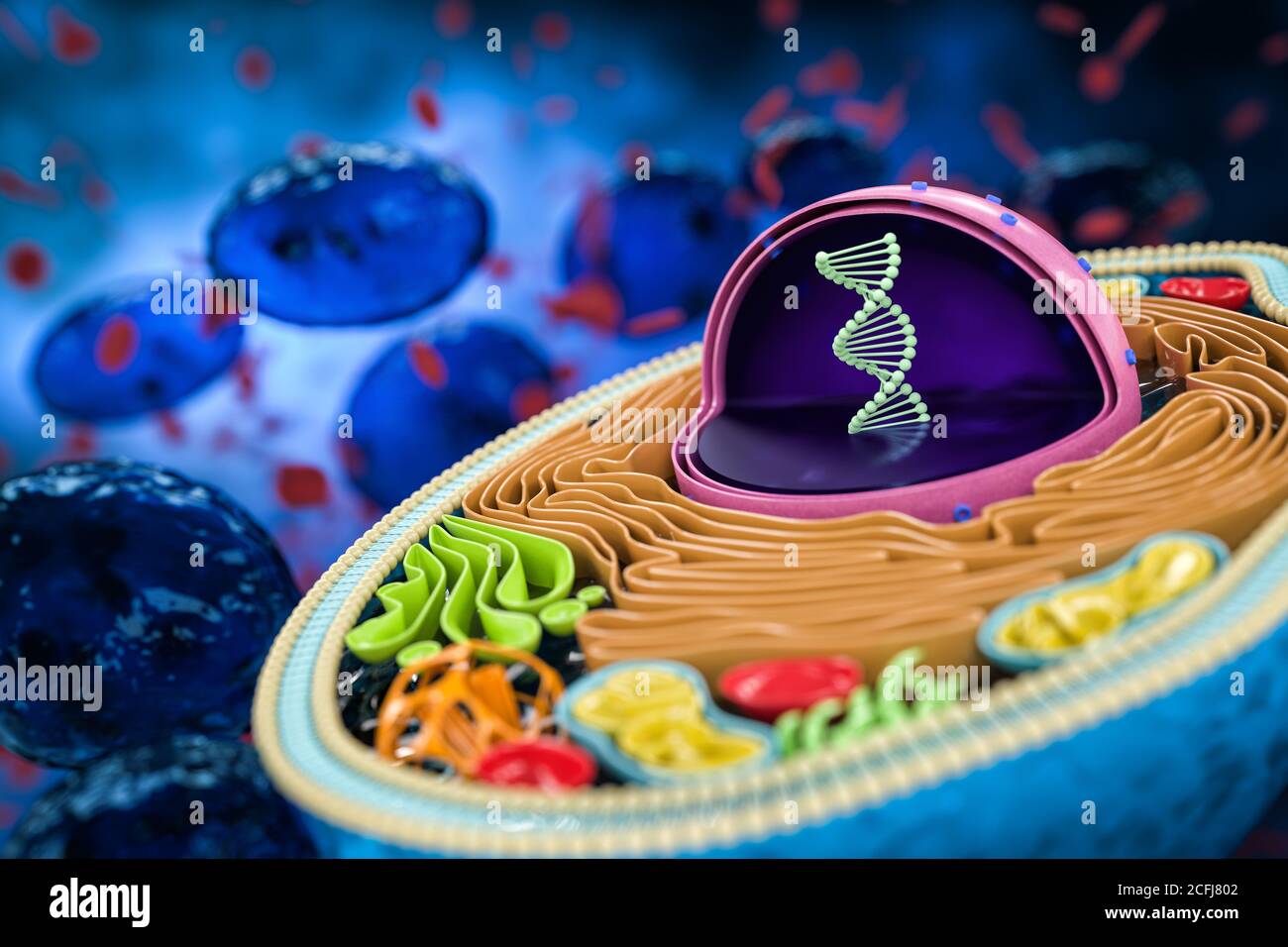
Before we dive into the supplements, it’s important to understand *why* we age. It’s not just about wrinkles and gray hair. Aging is a complex biological process driven by a number of factors. Think of it like a car. When it’s new, everything runs perfectly. But over time, parts start to wear out, rust develops, and the engine doesn’t run as smoothly. The same thing happens in our bodies. Here are some of the key drivers of aging, often called the “Hallmarks of Aging”:
* **Genomic Instability:** Our DNA is our genetic blueprint, and it’s under constant assault from both internal and external factors, like UV radiation, environmental toxins, and even the byproducts of our own metabolism. Our cells have sophisticated DNA repair mechanisms, but they’re not perfect. Over time, the damage can overwhelm these repair systems, leading to an accumulation of mutations. These mutations can disrupt normal cell function, increase the risk of cancer, and accelerate the aging process. It’s like having typos in the instruction manual for your cells – eventually, things start to go wrong.
* **Telomere Attrition:** Telomeres are like the plastic tips on the end of your shoelaces. They’re protective caps on the ends of our chromosomes that prevent them from unraveling and sticking to each other. Each time a cell divides, the telomeres get a little bit shorter. This is a natural part of the aging process, and it acts as a sort of cellular clock. Eventually, the telomeres become so short that the cell can no longer divide safely. At this point, the cell enters a state of senescence or undergoes apoptosis (programmed cell death). Shorter telomeres are associated with a variety of age-related diseases and a shorter lifespan.
* **Epigenetic Alterations:** If our DNA is the hardware, our epigenome is the software that tells our genes when to turn on and off. The epigenome consists of chemical tags that are attached to our DNA and its associated proteins. These tags can be influenced by our diet, lifestyle, and environment. As we age, our epigenome can become dysregulated, leading to changes in gene expression that contribute to the aging process. For example, genes that promote inflammation might be turned on, while genes that protect against cellular damage might be turned off. This is why two people with the exact same DNA can age very differently.
* **Loss of Proteostasis:** Proteins are the workhorses of our cells, carrying out a vast array of functions. Proteostasis is the process by which our cells maintain a healthy and functional proteome (the complete set of proteins). This involves a complex network of systems that are responsible for protein synthesis, folding, and degradation. With age, these systems can become less efficient, leading to the accumulation of misfolded or damaged proteins. These protein aggregates can be toxic to cells and are a hallmark of many age-related neurodegenerative diseases, such as Alzheimer’s and Parkinson’s.
* **Mitochondrial Dysfunction:** Mitochondria are the powerhouses of our cells, responsible for generating the energy that fuels all of our biological processes. As we age, our mitochondria can become damaged and less efficient. This can lead to a decline in energy production, an increase in the production of harmful free radicals (oxidative stress), and a dysregulation of cellular signaling pathways. Mitochondrial dysfunction is thought to be a major contributor to a wide range of age-related conditions, including muscle weakness, fatigue, and cognitive decline.
This might all sound a bit doom and gloom, but here’s the good news: scientists are now starting to understand these processes well enough to develop interventions that can target them. And that’s where longevity supplements come in.
The NAD+ Revolution: One of the Best Anti-Aging Supplements You Can Take
If there’s one molecule that’s been getting a ton of buzz in the anti-aging world, it’s NAD+. NAD+ (nicotinamide adenine dinucleotide) is a coenzyme found in every cell in our bodies. It’s essential for a whole host of processes, including energy metabolism, DNA repair, and immune function. The problem is that our NAD+ levels decline as we age. In fact, by the time we’re 50, our NAD+ levels are about half of what they were in our 20s. This decline is thought to be a major driver of the aging process. That’s why researchers are so excited about NAD+ boosters, which are supplements that can help to restore our NAD+ levels. The two most popular NAD+ boosters are NMN (nicotinamide mononucleotide) and NR (nicotinamide riboside).
NMN Supplements: The New Kid on the Block
NMN is a direct precursor to NAD+, meaning that our bodies can convert it into NAD+ in a single step. This makes it a very efficient way to boost our NAD+ levels. I’ve been taking NMN for about a year now, and I’ve definitely noticed a difference in my energy levels and overall well-being. When I first started, I was a bit skeptical, but after a few weeks, I found that I was waking up feeling more refreshed and had more stamina throughout the day. It’s not a magic bullet, of course, but it’s definitely been a game-changer for me. And the science backs this up. A 2021 study published in the journal *Science* found that NMN supplementation improved muscle insulin sensitivity in prediabetic women. Another study in *Geroscience* showed that NMN improved walking endurance and reduced drowsiness in healthy middle-aged adults.
NR Supplements: The Tried and True Option
NR is another popular NAD+ booster. It’s been around a bit longer than NMN, and there’s a bit more research on it. Like NMN, NR is a precursor to NAD+, but it has to be converted into NMN first before it can be used to make NAD+. This makes it slightly less efficient than NMN, but it’s still a very effective way to boost NAD+ levels. Some people find that NR gives them a more gradual and sustained energy boost, while others prefer the more immediate effects of NMN. It really comes down to personal preference. If you’re trying to decide between the two, I’d recommend checking out our in-depth comparison of NAD+ boosters.
Senolytics: Taking Out the Cellular Trash
As we age, some of our cells enter a state called senescence. These “zombie cells” are no longer able to divide, but they don’t die either. Instead, they hang around and release a cocktail of inflammatory molecules that can damage the surrounding tissue and contribute to a wide range of age-related diseases. This is where senolytics come in. Senolytics are a class of drugs and supplements that can selectively destroy these senescent cells. The idea is that by clearing out these zombie cells, we can reduce inflammation, improve tissue function, and promote healthy aging. Two of the most promising senolytic supplements are quercetin and fisetin.
Quercetin and Fisetin: Nature’s Senolytics
Quercetin and fisetin are both flavonoids, which are compounds found in fruits and vegetables. They’re both powerful antioxidants, but they also have senolytic properties. I’ve been experimenting with a combination of quercetin and fisetin for a few months now, and I’ve been really impressed with the results. I’ve noticed a reduction in joint pain and an improvement in my skin tone. It’s still early days, but I’m optimistic about the potential of these compounds. And the research is promising. A 2019 study published in *The Lancet* found that a combination of dasatinib (a chemotherapy drug) and quercetin was able to reduce the burden of senescent cells in people with diabetic kidney disease. While more research is needed, this is a really exciting development in the field of **longevity supplements**.
Resveratrol: The Red Wine Compound That’s More Than Just Hype
I’m sure you’ve heard of resveratrol. It’s the compound found in red wine that’s often credited with the “French paradox” – the observation that the French have a relatively low incidence of heart disease, despite their high-fat diet. While the amount of resveratrol in red wine is probably not enough to have a significant impact on its own, taking it in supplement form is a different story. Resveratrol is a powerful antioxidant that has been shown to have a number of anti-aging benefits. It can help to protect our cells from damage, reduce inflammation, and improve cardiovascular health. It’s also been shown to activate sirtuins, which are a class of proteins that are involved in regulating a variety of cellular processes, including aging, inflammation, and metabolism. For a deeper dive into the science, our Resveratrol Supplement Review 2026 is a great resource.
Other Promising Longevity Supplements
While NMN, senolytics, and resveratrol are some of the most well-known longevity supplements, there are a few others that are worth mentioning.
Spermidine
Spermidine is a polyamine compound that’s found in all living organisms. It plays a crucial role in cell growth, proliferation, and differentiation. Spermidine levels decline with age, and this decline is associated with a variety of age-related diseases. Supplementing with spermidine has been shown to have a number of anti-aging benefits, including improved cardiovascular health, enhanced cognitive function, and a longer lifespan in animal studies. One of the most interesting things about spermidine is its ability to induce autophagy, which is the body’s natural process of cleaning out damaged cells and recycling their components. You can learn more about this fascinating compound in our spermidine supplements review.
Hyaluronic Acid
Hyaluronic acid is a glycosaminoglycan, which is a long chain of sugars that’s found throughout the body, especially in the skin, joints, and eyes. It’s a powerful humectant, meaning that it can attract and hold on to water molecules. This is what gives our skin its plumpness and our joints their lubrication. As we age, our bodies produce less hyaluronic acid, which can lead to dry skin, wrinkles, and joint pain. Supplementing with hyaluronic acid can help to replenish our natural levels and alleviate these symptoms. It’s not going to reverse the aging process, but it can definitely help you to look and feel younger.
Collagen
Collagen is the most abundant protein in the body, and it’s a major component of our skin, bones, tendons, and ligaments. Like hyaluronic acid, our collagen production declines with age, which can lead to wrinkles, sagging skin, and joint problems. Taking a collagen supplement can help to support our body’s natural collagen production and improve the health of our skin and joints. There are many different types of collagen supplements on the market, so it’s important to choose one that’s high-quality and well-absorbed. Look for a supplement that contains hydrolyzed collagen peptides, which are smaller and more easily absorbed by the body.
Supplement Comparison Tables
To help you make sense of all this information, I’ve put together a couple of comparison tables. The first one compares the different NAD+ boosters, and the second one compares the two main senolytic supplements.
NAD+ Booster Comparison
| Feature | NMN | NR |
|---|---|---|
| Conversion to NAD+ | Direct (1 step) | Indirect (2 steps) |
| Bioavailability | High | Moderate |
| Clinical Research | Emerging | More established |
| Typical Dosage | 250-500mg/day | 300-600mg/day |
Senolytic Supplement Comparison
| Feature | Quercetin | Fisetin |
|---|---|---|
| Primary Source | Apples, onions, capers | Strawberries, apples, persimmons |
| Senolytic Potency | Moderate | High |
| Bioavailability | Low (often combined with bromelain or fat for better absorption) | Low (often taken with fat) |
| Typical Dosage | 500-1000mg/day | 100-200mg/day |
Frequently Asked Questions
What are the best anti-aging supplements?
This is the million-dollar question, isn’t it? The truth is, there’s no single “best” supplement for everyone. The ideal choice depends on your individual needs, goals, and biology. However, based on the current scientific evidence, some of the most promising candidates include NAD+ boosters like NMN and NR, senolytics like quercetin and fisetin, and resveratrol. I’ve found that a combination of these, what some call a longevity supplement stack, can be very effective.
Are anti-aging supplements safe?
Generally, yes. The supplements we’ve discussed in this article are all naturally occurring compounds that have been studied for their safety. However, it’s always a good idea to talk to your doctor before starting any new supplement regimen, especially if you have a pre-existing medical condition or are taking any medications. And remember, more is not always better. Stick to the recommended dosages and be mindful of how your body responds.
When should I start taking anti-aging supplements?
There’s no hard and fast rule, but most experts agree that it’s a good idea to start thinking about anti-aging in your 30s or 40s. This is when our natural production of compounds like NAD+ starts to decline, and when the first signs of aging start to appear. That being said, it’s never too late to start. Even if you’re in your 50s, 60s, or beyond, you can still benefit from taking the right supplements.
Can I get these compounds from food?
Yes, to some extent. For example, you can get resveratrol from red wine, quercetin from apples and onions, and fisetin from strawberries. However, the amounts you’d get from food are generally much lower than what you’d get from a supplement. For example, you’d have to drink hundreds of glasses of red wine to get the same amount of resveratrol as you’d find in a single supplement. So, while a healthy diet is always important, it’s not a substitute for targeted supplementation.
How long does it take to see results?
This varies depending on the supplement and the individual. Some people notice a difference within a few weeks, while for others it may take a few months. It’s important to be patient and consistent. Think of it as a long-term investment in your health. For a closer look at what to expect, especially for women, our guide on anti-aging supplements for women over 40 offers some great insights.
What’s the difference between NMN and NAD+ supplements?
This is a common point of confusion. NMN is a precursor to NAD+, meaning that our bodies use it to make NAD+. You can’t take NAD+ directly as a supplement because it’s a large molecule that can’t easily cross the cell membrane. So, when you see a product marketed as an “NAD+ supplement,” it’s almost always an NMN or NR supplement. Our review of the best NMN supplements can help you choose a quality product.
Are there any side effects?
Most people tolerate these supplements well, but some may experience mild side effects like digestive upset or headaches. These are usually temporary and can often be avoided by starting with a lower dose and gradually increasing it. If you experience any severe or persistent side effects, stop taking the supplement and consult your doctor.
Where can I learn more about the science of longevity?
If you’re interested in a deeper dive into the science, I highly recommend exploring the latest in life extension research. There are also a number of excellent books and podcasts on the topic. A few of my favorites include “Lifespan” by David Sinclair, “The Longevity Diet” by Valter Longo, and the “Peter Attia Drive Podcast.”
Should I take all of these supplements at once?
Not necessarily. It’s generally best to start with one or two supplements and see how your body responds before adding more. A good starting point would be a quality NAD+ booster like NMN or NR. From there, you could consider adding a senolytic like quercetin or fisetin, or a sirtuin activator like resveratrol. It’s all about finding what works for you and your unique biology.
How do I choose a quality supplement?
This is a really important question. The supplement industry is not well-regulated, so it’s important to do your homework. Look for brands that are transparent about their sourcing and manufacturing processes. Third-party testing is also a must. This is when an independent lab tests the supplement to ensure that it contains what it says it contains and is free from contaminants. Our reviews of the best NMN supplements and other longevity supplements can help you to make an informed choice.
Do I still need to eat a healthy diet and exercise?
Absolutely! Supplements are just that – a supplement to a healthy lifestyle. They’re not a magic pill that can make up for a poor diet and a sedentary lifestyle. The best anti-aging strategy is a holistic one that includes a nutrient-dense diet, regular exercise, stress management, and quality sleep. Supplements can be a powerful tool in your anti-aging arsenal, but they’re not a substitute for the fundamentals.
What’s the future of anti-aging science?
It’s an incredibly exciting time in the field of longevity science. Researchers are making new discoveries at a rapid pace, and we’re learning more and more about the underlying mechanisms of aging. In the future, we can expect to see even more sophisticated interventions, such as gene therapies and personalized medicine. But for now, the supplements we’ve discussed in this article represent the cutting edge of what’s currently available.
References
- Yi, L., Maier, A. B., Tao, R., Lin, Z., Vaidya, A., Pendse, S., … & Campisi, J. (2023). The efficacy and safety of β-nicotinamide mononucleotide (NMN) supplementation in healthy middle-aged adults: a randomized, multicenter, double-blind, placebo-controlled, parallel-group, dose-dependent clinical trial. *Geroscience*, *45*(1), 29-43.
- Yoshino, M., Yoshino, J., Kayser, B. D., Patti, G. J., Franczyk, M. P., Mills, K. F., … & Klein, S. (2021). Nicotinamide mononucleotide increases muscle insulin sensitivity in prediabetic women. *Science*, *372*(6547), 1224-1229.
- Hickson, L. J., Langhi Prata, L. G. P., Bobart, S. A., Evans, T. K., Giorgadze, N., Hashmi, S. K., … & Kirkland, J. L. (2019). Senolytics in idiopathic pulmonary fibrosis: results from a first-in-human, open-label, pilot study. *The Lancet. Respiratory Medicine*, *7*(12), 1047-1056.
- Shade, C. (2020). The science behind NMN–a stable, reliable NAD+ activator and anti-aging molecule. *Integrative Medicine: A Clinician’s Journal*, *19*(1), 12.
- Izadi, M., Sadri, N., Abdi, A., & Zadeh, M. M. R. (2024). Anti-aging natural supplements: the main players in promoting healthy lifespan. *Nutrition Research Reviews*, 1-18.