Let’s be honest, the world of workout supplements can feel like a jungle. I remember when I first started my fitness journey, walking into a supplement store was like trying to read a foreign language. Giant tubs of powders with names like ‘Anabolic Fury’ and ‘Goliath Gainz’ stared down at me, and I had no clue where to even begin. Sound familiar? You’ve got your pre-workouts, your post-workouts, your intra-workouts… and that’s before you even get to the fifty different kinds of protein. It’s enough to make anyone want to give up and just stick to water. But here’s the thing: the right supplements, used correctly, can be absolute game-changers for your fitness goals. They aren’t magic pills, but they are powerful tools. That’s why I’ve put together this masterclass. After years of testing, researching, and frankly, a lot of trial and error, I’ve distilled everything I’ve learned into this one comprehensive guide. We’re going to cut through the marketing hype and get down to the science. We’ll talk about what works, what doesn’t, and how to choose the best protein supplements and workout aids for your specific needs. By the end of this, you’ll be able to walk into any supplement shop with the confidence of a seasoned pro.
Table of Contents
- Why Protein is Non-Negotiable for Fitness
- Decoding the Different Types of Protein Powder
- Beyond Protein: A Guide to Essential Workout Supplements
- Pre-Workout Supplements: Igniting Your Workouts
- Creatine: The Power and Strength Amplifier
- BCAAs: Your Muscle Recovery Allies
- Building Your Ultimate Supplement Stack
- Timing is Everything: When to Take Your Supplements
- Frequently Asked Questions
- References
Why Protein is Non-Negotiable for Fitness
Alright, let’s get down to brass tacks. You hear a lot about protein, but why is it so crucial? To put it simply, protein is the building block of your muscles. When you work out, you’re essentially creating tiny micro-tears in your muscle fibers. Protein comes in and repairs those tears, making the muscle bigger and stronger than before. It’s a process called muscle protein synthesis. Without enough protein, your body can’t effectively repair and rebuild, and all that hard work in the gym won’t pay off as it should. I learned this the hard way. For the first year of my training, I was chronically under-eating protein. I was getting stronger, sure, but my recovery was slow, and I hit a plateau that I just couldn’t break. It wasn’t until I seriously upped my protein intake that I started seeing the real gains I was after. It’s not just about building muscle, either. Protein is vital for a whole host of bodily functions, from hormone production to immune system support. When you’re training hard, your body is under a lot of stress, and adequate protein is what helps it cope and adapt. So, when we talk about the best protein supplements, we’re not just talking about getting bigger muscles; we’re talking about optimizing your body’s entire recovery and growth system.
Decoding the Different Types of Protein Powder
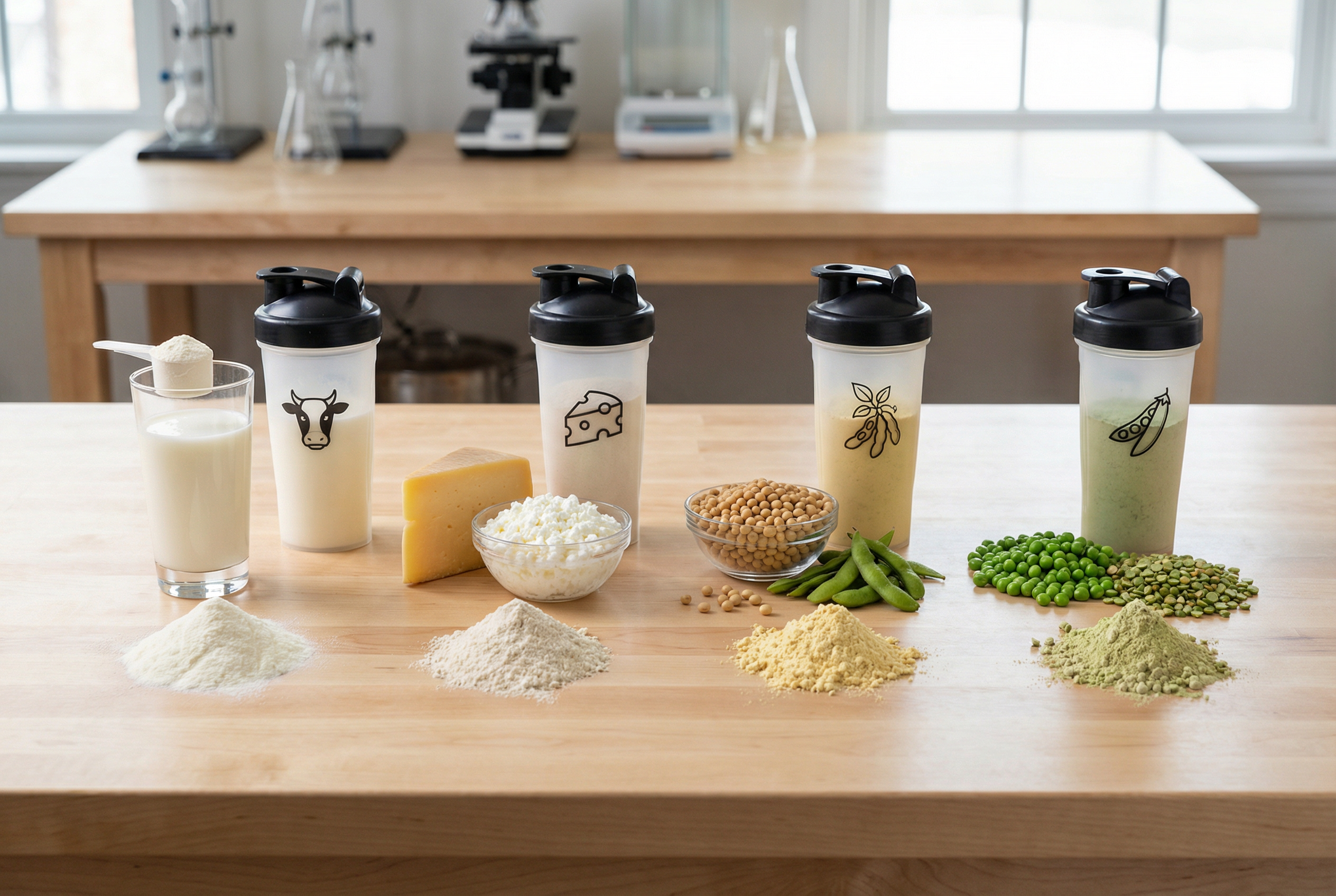
Now that we know why protein is so important, let’s dive into the different types of protein powders you’ll find on the market. It can be a bit overwhelming, but it really boils down to a few key categories. This is where a good protein powder comparison comes in handy.
Whey Protein: The Gold Standard
Whey is the most popular and for good reason. It’s a complete protein, meaning it contains all nine essential amino acids, and it’s very quickly absorbed by the body, making it ideal for post-workout recovery. It’s derived from milk, specifically the liquid part that separates during cheese making. There are three main types of whey:
- Whey Concentrate: This is the most common and affordable type. It’s typically around 70-80% protein, with the rest being fats and carbohydrates (lactose). It’s a great starting point for most people.
- Whey Isolate: This is a more filtered version of whey, with a higher protein content (usually 90% or more) and less fat and lactose. This makes it a good choice for people who are lactose intolerant or are on a very low-carb diet.
- Whey Hydrolysate: This is a pre-digested form of whey, meaning it’s broken down into smaller peptides for even faster absorption. It’s the most expensive and often has a slightly bitter taste, but it can be beneficial for elite athletes or those with digestive issues.
Casein Protein: The Slow-Release Option
Casein is the other protein found in milk. Unlike whey, it’s a slow-digesting protein. It forms a gel in the stomach, which results in a slow and steady release of amino acids over several hours. This makes it an excellent choice for a pre-bedtime shake, as it can help prevent muscle breakdown while you sleep. I often have a casein shake before bed, especially on heavy training days. It helps me wake up feeling less sore and more recovered.
Plant-Based Proteins: The Vegan-Friendly Choices
For those who are vegan, lactose intolerant, or simply prefer to avoid dairy, there are plenty of excellent plant-based protein options available. The most common include:
- Soy Protein: A complete protein that’s comparable to whey in terms of muscle-building potential.
- Pea Protein: A good source of BCAAs, but it’s not a complete protein on its own. It’s often combined with other plant proteins to create a complete amino acid profile.
- Hemp Protein: Rich in omega-3 and omega-6 fatty acids, but it’s lower in protein than other options.
- Brown Rice Protein: Another good source of BCAAs, often combined with pea protein.
Here’s a quick comparison to help you decide:
| Protein Type | Digestion Speed | Best For | Key Feature |
|---|---|---|---|
| Whey Concentrate | Fast | Post-workout | Affordable all-rounder |
| Whey Isolate | Very Fast | Post-workout, low-carb diets | High protein, low lactose |
| Whey Hydrolysate | Extremely Fast | Elite athletes, sensitive stomachs | Pre-digested for rapid absorption |
| Casein | Slow | Before bed, between meals | Sustained amino acid release |
| Soy | Moderate | Vegans, post-workout | Complete plant-based protein |
| Pea/Rice Blend | Moderate | Vegans, hypoallergenic | Complete amino acid profile from plants |
Beyond Protein: A Guide to Essential Workout Supplements
While protein is the star of the show, there are other key players in the world of workout supplements that can significantly enhance your performance and results. This is where a good workout supplements guide becomes invaluable. Let’s break down some of the most effective ones.
Pre-Workout Supplements: Igniting Your Workouts
I’ll be the first to admit, some days it’s tough to get motivated for the gym. That’s where a good pre-workout can be a lifesaver. These supplements are designed to give you a surge of energy, focus, and endurance to help you crush your workout. The key ingredients to look for in pre-workout supplements are:
- Caffeine: The most common and effective stimulant. It increases alertness, reduces perceived effort, and can improve strength and power output.
- Beta-Alanine: This amino acid helps buffer lactic acid in your muscles, which is that burning sensation you feel during intense exercise. This allows you to push out more reps and sets. Be warned, it can cause a harmless tingling sensation called paresthesia.
- Citrulline Malate: This compound increases nitric oxide production, which improves blood flow to your muscles. This means more oxygen and nutrients are delivered to your working muscles, leading to better pumps and less fatigue.
- Creatine: We’ll talk more about this one in a minute, but it’s often included in pre-workouts for its strength and power benefits.
A good pre-workout can make the difference between a mediocre session and a personal-best-shattering one. However, it’s important to cycle them and not become reliant on them for every workout.
Creatine: The Power and Strength Amplifier
If there’s one supplement that has been studied more than any other, it’s creatine. And the research is overwhelmingly positive. Creatine is a naturally occurring compound that helps your body produce ATP, which is the primary energy source for short, explosive movements like lifting weights or sprinting. By supplementing with creatine, you can increase your body’s creatine stores, which leads to:
- Increased strength and power output
- Improved performance in high-intensity exercise
- Increased muscle mass (by drawing more water into your muscle cells and stimulating protein synthesis)
Creatine is one of the safest and most effective muscle building supplements you can take. The most common and well-researched form is creatine monohydrate. Don’t fall for the hype of more expensive forms; monohydrate is the gold standard.
BCAAs: Your Muscle Recovery Allies
Branched-Chain Amino Acids (BCAAs) are a group of three essential amino acids: leucine, isoleucine, and valine. They play a crucial role in muscle protein synthesis and can help reduce muscle soreness and fatigue. While you can get BCAAs from complete protein sources like whey, some people find that supplementing with them during their workout (intra-workout) helps them train longer and recover faster. I’ve found that sipping on a BCAA drink during a long, grueling leg day definitely helps me push through those last few sets. However, it’s worth noting that if your protein intake is already high, the additional benefit of BCAA supplementation may be minimal.
| Supplement | Primary Benefit | When to Take | Notes |
|---|---|---|---|
| Pre-Workout | Energy & Focus | 20-30 mins before workout | Cycle to avoid tolerance |
| Creatine | Strength & Power | Anytime | Monohydrate is best |
| BCAAs | Recovery & Endurance | Intra-workout | Less crucial if protein intake is high |

Building Your Ultimate Supplement Stack
Okay, so we’ve covered the main players. Now, how do you put it all together? Building a supplement stack is all about synergy – choosing supplements that work together to maximize your results. Here’s a look at a foundational stack that would benefit most people, and then we can talk about optional add-ons.
The Foundational Stack:
- Protein Powder: This is your cornerstone. For most, a high-quality whey protein is the perfect starting point for post-workout recovery. As I mentioned, I’m a big fan of a whey protein over plant-based protein for muscle gain, but the most important thing is consistency.
- Creatine Monohydrate: For strength, power, and muscle growth, this is a must-have. It’s safe, effective, and incredibly well-researched. I’ve been taking it for years and the difference in my strength levels is undeniable.
- Pre-Workout: For those days when you need an extra push, a good pre-workout can be a game-changer. Look for one with proven ingredients like caffeine and citrulline malate. I personally cycle my pre-workout, using it only on my heaviest lifting days to avoid building a tolerance.
Optional Add-Ons for Specific Goals:
- BCAAs/EAAs: If you’re training in a fasted state or your workouts are particularly long and grueling, sipping on an Essential Amino Acid (EAA) or BCAA supplement can help preserve muscle mass and improve recovery. I find it particularly helpful during cutting phases when I’m in a calorie deficit.
- Beta-Alanine: If your training involves a lot of high-rep work or metabolic conditioning, adding extra beta-alanine can help you push past that burning sensation and squeeze out more reps.
- Multivitamin: While not a performance supplement in the same way as the others, a good multivitamin ensures you’re covering all your micronutrient bases. Intense training can deplete certain vitamins and minerals, so a multivitamin acts as a nutritional insurance policy. For a deeper dive, you might want to check out this guide to essential minerals.
Remember, the key is to start with the foundation and then add supplements based on your specific goals, budget, and how your body responds. Don’t just throw everything at the wall and see what sticks. Be methodical, introduce one new supplement at a time, and track your progress. This is how you build a stack that truly works for you.
Timing is Everything: When to Take Your Supplements
You can have the best protein supplements in the world, but if you’re not taking them at the right time, you might not be getting the full benefit. Honestly, this is a topic that gets debated to death in fitness forums, but the science points to a few key principles. Let’s clear up the confusion.
The Anabolic Window: Myth vs. Reality
You’ve probably heard of the “anabolic window,” that supposed 30-minute period after your workout where you absolutely *must* slam a protein shake or all your gains will be lost forever. Look, it’s not that dramatic. While it’s true that your muscles are primed for nutrient absorption post-workout, the window is much larger than 30 minutes—more like several hours. The most important factor is your total daily protein intake. That said, having a protein shake within an hour or two after your workout is a convenient and effective way to kickstart the recovery process. I’ve always found that a post-workout shake helps with my immediate recovery and reduces next-day soreness. For a deeper dive into this, our guide on using protein for weight management has some great insights.
Pre-Workout and Intra-Workout Nutrition
As the name suggests, pre-workout supplements should be taken about 20-30 minutes before you start training. This gives the ingredients, particularly caffeine, enough time to kick in. For creatine, timing is less critical. As long as you’re taking it consistently every day, your muscles will stay saturated. I just mix it in with my post-workout shake out of habit. For BCAAs or EAAs, sipping on them during your workout (intra-workout) is the way to go. This provides a steady stream of amino acids to your muscles, which can help with endurance and reduce muscle breakdown, especially during long sessions. I also find it helps me stay hydrated, which is a nice bonus.
The Case for Casein Before Bed
This is a strategy I swear by. As we discussed, casein is a slow-digesting protein. Having a casein shake before bed provides a sustained release of amino acids throughout the night. This can help prevent your body from entering a catabolic (muscle-breakdown) state while you sleep, promoting recovery and growth. It’s a simple trick, but it can make a noticeable difference in how you feel when you wake up. If you’re curious about different protein types for overnight recovery, this comparison of casein vs. whey for muscle growth is a great read.
Frequently Asked Questions
1. Do I really need supplements to build muscle?
Honestly, no, you don’t *need* them. You can absolutely build a great physique with a solid training program and a well-planned diet. However, supplements are tools that can make the process more efficient and effective. Think of them as accelerators. A protein supplement, for instance, makes it much easier to hit your daily protein targets, which can be challenging with whole foods alone. So, while not strictly necessary, they are incredibly helpful.
2. Is whey protein safe? Are there any side effects?
For the vast majority of people, whey protein is perfectly safe. It’s derived from milk, after all. The most common side effect is digestive distress, like bloating or gas, especially in people who are lactose intolerant. If that’s you, switching to a whey isolate or a plant-based protein usually solves the problem. As with anything, quality matters. Stick to reputable brands to avoid contaminants.
3. How much protein do I need per day?
This is the million-dollar question! The general recommendation for active individuals looking to build muscle is around 1.6 to 2.2 grams of protein per kilogram of body weight (or about 0.7 to 1.0 grams per pound). So, a 180-pound person would aim for 126-180 grams of protein per day. I’ve personally found my sweet spot at the higher end of that range on training days.
4. Can I take a pre-workout every day?
I wouldn’t recommend it. The main ingredient in most pre-workouts is caffeine, and you can build up a tolerance to it over time. This means you’ll need more and more to get the same effect, and you might start feeling sluggish on the days you don’t take it. I suggest saving pre-workouts for your toughest training sessions or days when you’re feeling particularly drained. Cycling them—say, using them for 4-6 weeks and then taking a 1-2 week break—is a smart strategy.
5. What’s the difference between BCAAs and EAAs?
Great question. There are nine Essential Amino Acids (EAAs) that your body can’t produce on its own. Three of those are the Branched-Chain Amino Acids (BCAAs). So, all BCAAs are EAAs, but not all EAAs are BCAAs. While BCAAs are particularly important for muscle protein synthesis, research suggests that a full spectrum of EAAs might be more effective for overall muscle growth and recovery. If you’re going to supplement with amino acids, an EAA product is probably a better investment.
6. Will creatine make me bloated and gain fat?
This is a common myth. Creatine pulls water into your muscle cells, which is a good thing—it helps with performance and can make your muscles look fuller. This might cause a slight increase on the scale, but it’s water weight, not fat. Some people experience a bit of bloating during the initial “loading phase,” but this usually subsides. Sticking to a standard 5-gram daily dose instead of loading can help avoid this.
7. Are expensive protein powders better?
Not necessarily. A higher price tag often reflects marketing, fancy packaging, or the inclusion of extra ingredients that you may not need. The most important thing to look for is a reputable brand that uses third-party testing to verify the purity and protein content of their product. A simple whey concentrate from a trusted brand is often just as effective as a product that costs twice as much.
8. Can women take the same supplements as men?
Absolutely! The supplements we’ve discussed—protein, creatine, pre-workouts—work the same way in both men and women. The only difference might be the dosage, which should be based on body weight and individual goals, not gender. There’s no need to buy a pink-labeled “women’s protein” unless you want to. It’s usually the same stuff in a different package.
References
- Jäger, R., Kerksick, C. M., Campbell, B. I., Cribb, P. J., Wells, S. D., Skwiat, T. M., … & Smith-Ryan, A. E. (2017). International Society of Sports Nutrition Position Stand: protein and exercise. Journal of the International Society of Sports Nutrition, 14(1), 20. https://jissn.biomedcentral.com/articles/10.1186/s12970-017-0177-8
- Kreider, R. B., Kalman, D. S., Antonio, J., Ziegenfuss, T. N., Wildman, R., Collins, R., … & Lopez, H. L. (2017). International Society of Sports Nutrition position stand: safety and efficacy of creatine supplementation in exercise, sport, and medicine. Journal of the International Society of Sports Nutrition, 14(1), 18. https://jissn.biomedcentral.com/articles/10.1186/s12970-017-0173-z
- Pasiakos, S. M., McLellan, T. M., & Lieberman, H. R. (2015). The effects of protein supplements on muscle mass, strength, and aerobic and anaerobic power in healthy adults: a systematic review. Sports Medicine, 45(1), 111-131. https://pubmed.ncbi.nlm.nih.gov/25169440/